Utensils and cutlery are fundamental tools in every kitchen, each serving distinct roles in food preparation and dining. Understanding their differences and uses can improve efficiency, safety, and the overall dining experience. This guide explores the unique purposes of utensils and cutlery, breaking down their types and materials.
Key Takeaways
- Utensils are used for food preparation and cooking, while cutlery is for eating and serving.
- Utensils are often made from various materials, while cutlery is typically made from stainless steel or silver.
- Cultural variations, like chopsticks, can blur the lines between utensils and cutlery.
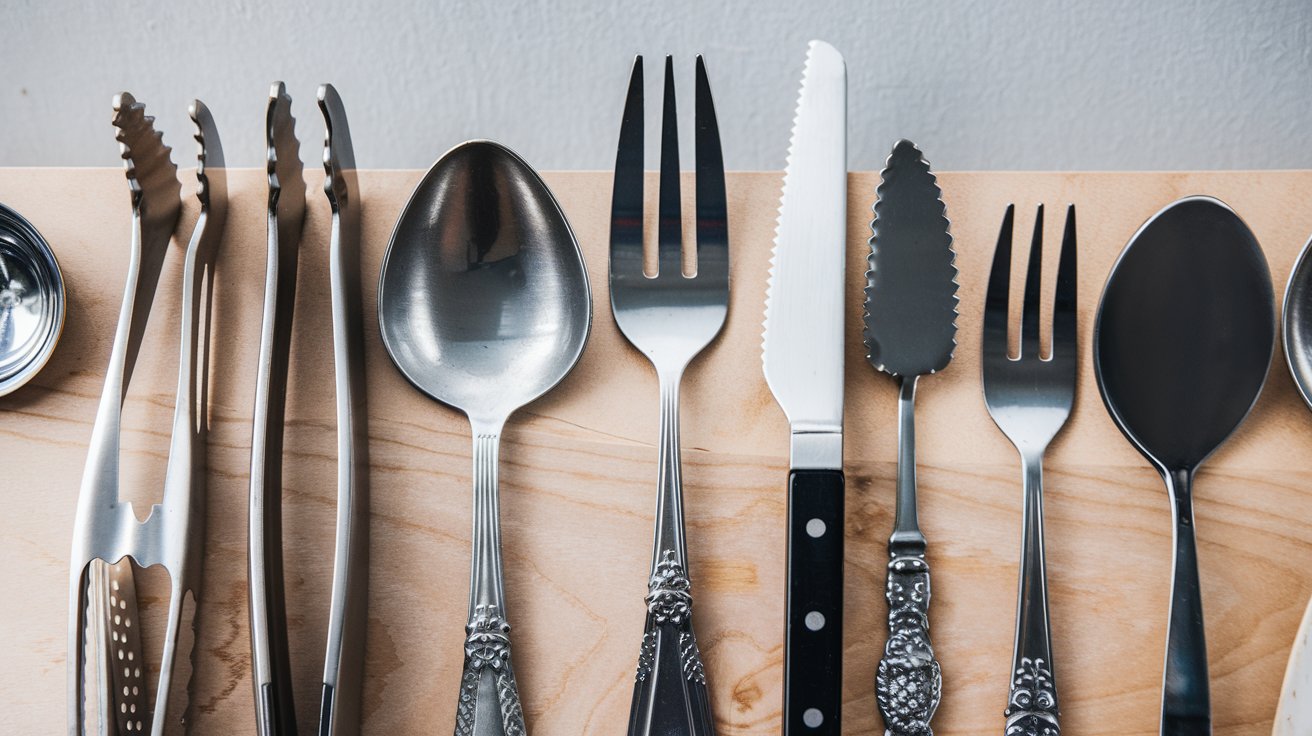
Image from
Ideogram
A utensil is any tool used to prepare, cook, or serve food. Derived from the Latin word "utensilia," meaning "things to use," utensils include a wide range of kitchen tools, from simple spoons and forks to specific items like whisks or spatulas. Made from materials like stainless steel, plastic, or silicone, they are vital for safe and efficient food preparation.
Utensils can be categorized into three main types:
- Prep utensils: Tools such as vegetable peelers, graters, and mandolins that assist in food preparation.
- Cooking utensils: Items like pots, pans, and ladles are used during the cooking process.
- Serving utensils: Tongs, serving spoons, and forks designed for serving food.
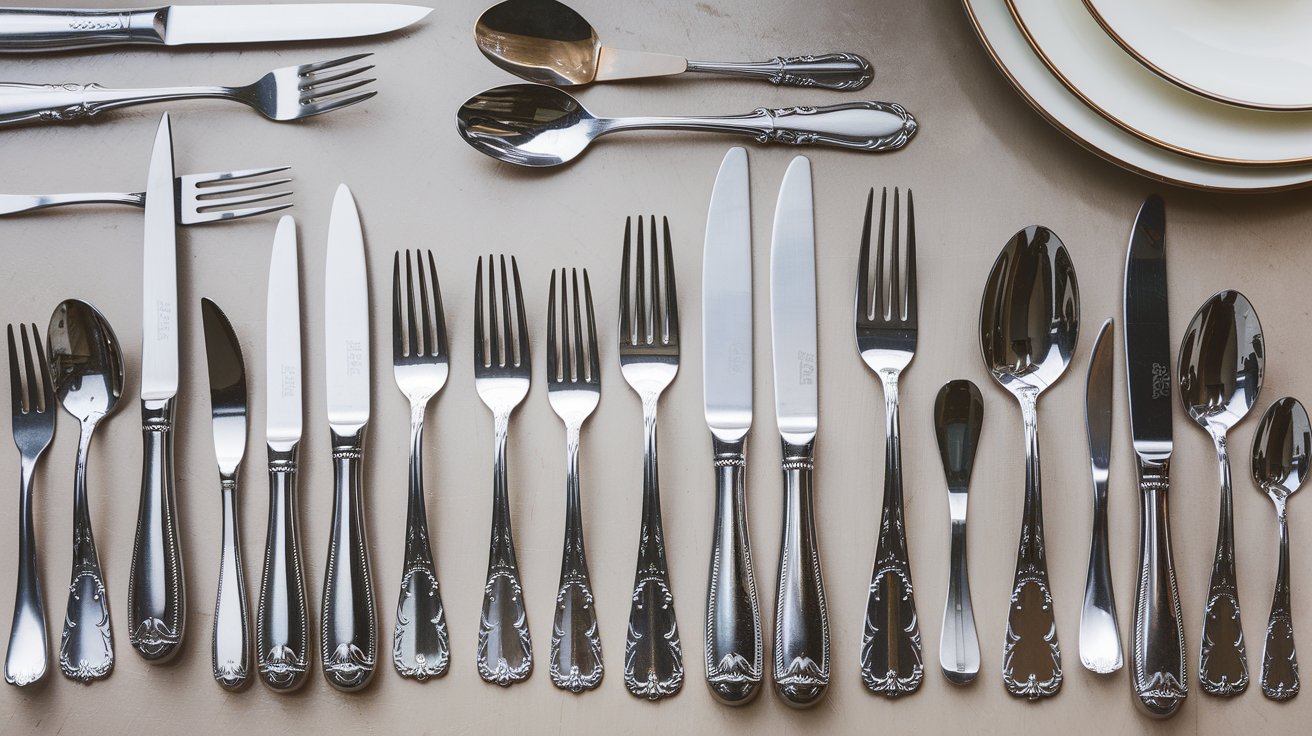
Image from
Ideogram
Cutlery refers to utensils like knives, forks, and spoons designed for cutting, piercing, and scooping food. Typically made from stainless steel, silver, or plastic, these tools are essential for hygienic and convenient dining. Each piece serves a specific purpose—knives for cutting, forks for piercing, and spoons for scooping—making meals easier to enjoy. Here’s a closer look at the types of cutlery commonly used in everyday dining.
Cutlery is designed for specific tasks, with the three main types being:
- Knives: Used for cutting and preparing food, including chef's knives for chopping and paring knives for peeling.
- Forks: Utensils with prongs for holding or piercing food, such as carving forks for roasts and salad forks for lighter dishes.
- Spoons: Scoop-shaped utensils for eating liquids or semi-liquid foods, including soup spoons, dessert spoons, and serving spoons.
The primary differences between utensils and cutlery are their materials, functionality, and cultural usage. Utensils are versatile tools primarily used for preparing, cooking, and serving food. They are typically made from various materials like stainless steel, wood, and plastic.
In contrast, cutlery refers to knives, forks, and spoons used for eating and sometimes serving and is commonly made from stainless steel or silver. Historically, utensils have been shaped by cultural needs, with various forms evolving in both Eastern and Western traditions, while cutlery has distinct cultural significance, such as chopsticks in Asia or forks and knives in Europe.
| Comparison |
Utensils |
Cutlery |
| Material |
Stainless steel, wood, plastic, silicone |
Primarily stainless steel, silver |
| Functionality |
Prepping, cooking, serving |
Eating, slicing, cutting |
| Cultural Use |
Used globally in diverse forms |
Cultural variations: forks, chopsticks |
The main difference lies in their purpose: utensils are tools used for preparing, cooking, and serving food, while cutlery refers to knives, forks, and spoons used for eating and sometimes serving food.
Yes, both utensils and cutlery can be made from materials like stainless steel or plastic. However, utensils often come in a broader range of materials, including wood and silicone, while cutlery is more traditionally made from metals like stainless steel or silver.
Chopsticks are considered cutlery in Asian cultures, used for eating rather than food preparation. However, they can sometimes be classified as utensils due to their role in serving and handling food.
Using the correct utensils and cutlery enhances efficiency and safety when preparing and eating food. Proper tools ensure tasks like chopping, cooking, and serving are performed with ease, while cutlery makes dining more hygienic and convenient.
Understanding the distinction between utensils and cutlery is essential for optimizing both food preparation and dining experiences. By using the right tools, you can improve efficiency, safety, and overall enjoyment at the table. Moreover, considering sustainable options like Luzhou Pack's biodegradable bagasse cutlery allows you to contribute to environmental health while enjoying your meals. Explore the benefits of eco-friendly dining solutions today and make a positive impact with every bite!
Visit Luzhou Pack’s product page for more information on their biodegradable cutlery options.


