By Yilin Zhang | 13 August 2025 | 0 Comments
The Evolution Journey of Tableware
The dining table is the intersection of family and social interactions, and tableware plays an important role in this small world. They not only hold food but also carry the legacy of culture and the changes of the times. From simple to exquisite, from singular to diverse, from traditional plastic materials to eco-friendly and biodegradable options, the evolution of tableware is like a miniature history of human civilization, recording our pursuit of life and exploration of beauty.

Tracing back to ancient times, human utensils may have simply been natural objects readily available—such as twigs, stones, or animal bones. These primitive "utensils," though rudimentary, were practical and witnessed humanity's initial respect and enjoyment of food.
As society progressed, people began to experiment with processing materials from nature into tools that better fit the shape of the hand and dining needs, such as spoons or forks carved from wood or bone, marking the initial formation of utensil culture.
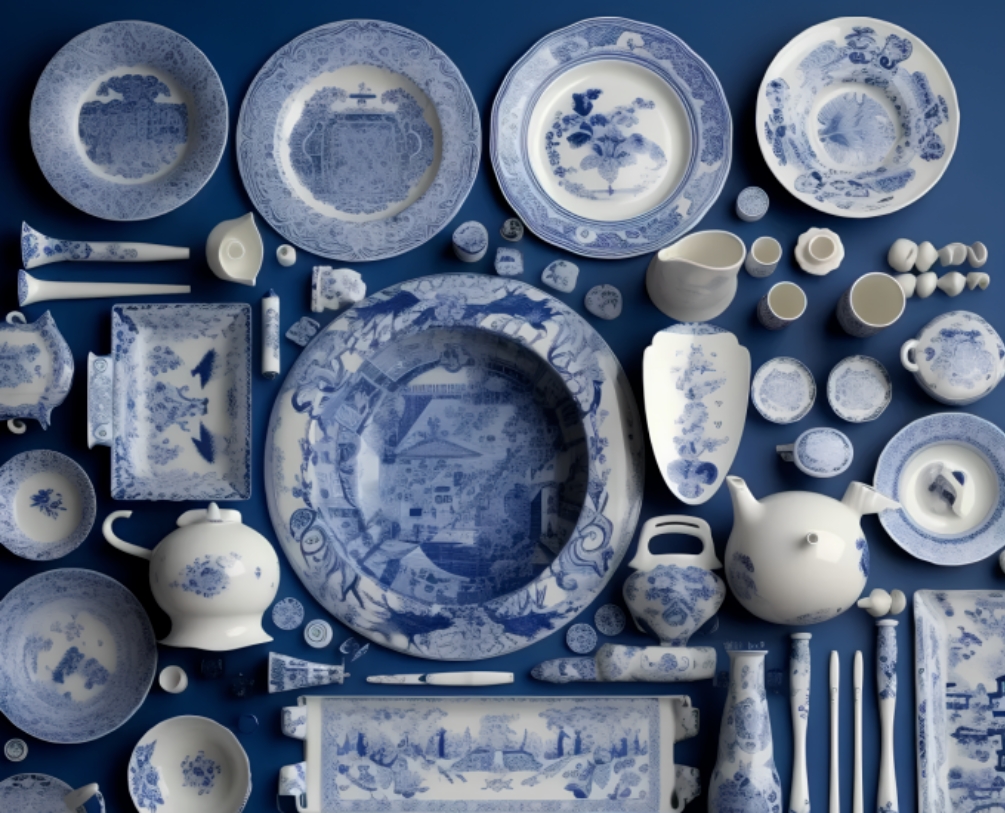
Entering the era of ancient civilizations, the technology for making tableware experienced a leap in development. The ancient Egyptians used exquisite ceramic tableware adorned with patterns symbolizing wealth and power; the ancient Greeks and Romans preferred metal tableware, such as silver and bronze, which were not only tools for dining but also symbols of identity and status. In China, porcelain became the representative of tableware, cherished for its delicate and warm texture and rich, colorful patterns, making it a treasure in the world cultural heritage.

In the 19th century, with the arrival of the Industrial Revolution, the production methods of tableware underwent revolutionary changes. Mechanized production made the manufacturing of tableware more efficient and reduced costs, while also promoting the standardization and diversification of tableware design. The invention of plastic tableware greatly enriched the options available for dining tables, and its lightweight and durable characteristics quickly made it a favorite in homes and restaurants.

Entering the 21st century, as people increasingly pay attention to global environmental issues, environmental protection and sustainability have become new trends in the development of tableware. Plant fiber tableware, such as sugarcane pulp tableware, has emerged as a strong competitor to traditional plastic tableware due to its biodegradable and eco-friendly characteristics.
These new types of tableware not only reduce the generation of plastic waste but also promote the effective utilization of agricultural waste, showcasing human wisdom and innovation in the face of environmental challenges.
Primitive Era: Nature's Gifts
Tracing back to ancient times, human utensils may have simply been natural objects readily available—such as twigs, stones, or animal bones. These primitive "utensils," though rudimentary, were practical and witnessed humanity's initial respect and enjoyment of food.
As society progressed, people began to experiment with processing materials from nature into tools that better fit the shape of the hand and dining needs, such as spoons or forks carved from wood or bone, marking the initial formation of utensil culture.
Ancient Civilizations: The Combination of Art and Practicality
Entering the era of ancient civilizations, the technology for making tableware experienced a leap in development. The ancient Egyptians used exquisite ceramic tableware adorned with patterns symbolizing wealth and power; the ancient Greeks and Romans preferred metal tableware, such as silver and bronze, which were not only tools for dining but also symbols of identity and status. In China, porcelain became the representative of tableware, cherished for its delicate and warm texture and rich, colorful patterns, making it a treasure in the world cultural heritage.
Industrial Revolution: Standardization and Mass Production
In the 19th century, with the arrival of the Industrial Revolution, the production methods of tableware underwent revolutionary changes. Mechanized production made the manufacturing of tableware more efficient and reduced costs, while also promoting the standardization and diversification of tableware design. The invention of plastic tableware greatly enriched the options available for dining tables, and its lightweight and durable characteristics quickly made it a favorite in homes and restaurants.
The Current Era: The Call for Environmental Protection and Sustainability
Entering the 21st century, as people increasingly pay attention to global environmental issues, environmental protection and sustainability have become new trends in the development of tableware. Plant fiber tableware, such as sugarcane pulp tableware, has emerged as a strong competitor to traditional plastic tableware due to its biodegradable and eco-friendly characteristics.
These new types of tableware not only reduce the generation of plastic waste but also promote the effective utilization of agricultural waste, showcasing human wisdom and innovation in the face of environmental challenges.
Leave a Reply
Please be sure to fill in the field marked *