By Carrie Zhang | 09 December 2025 | 0 Comments
Which Hot Food Packaging should I choose? Types of Hot Food Packaging options
For restaurants, catering services, and cloud kitchens, choosing the correct hot food packaging is not a simple matter of cost—it’s a critical decision impacting food safety, customer experience, and brand reputation.
When transitioning a piping-hot food item from the kitchen to the customer’s table, the packaging must be an extension of the dining experience.
Navigating the complex array of hot food packaging options requires expertise in materials science, thermal dynamics, and local sustainability regulations. This comprehensive guide details the types of hot food packaging available, offers practical hot food packaging ideas, and examines the essential hot food packaging materials that define industry standards.
The Essential Criteria for Hot Food Packaging Solutions
Selecting the optimal hot food packaging solution demands a strategic approach that goes beyond mere appearance. Expert manufacturers must prioritize three core functional elements, recognizing that performance and utility are far more critical than appearance:
1. Thermal Insulation and Retention
The primary challenge for hot food containers is mitigating the temperature drop necessary to ensure the food retains its intended quality and flavor profile throughout the delivery journey. This is achieved through materials with low thermal conductivity. Poor insulation leads to heat escaping rapidly, degrading the food quality and creating condensation issues inside the container.
2. Condensation Management (Venting)
Condensation—the enemy of crispy food,occurs when steam from the hot food is trapped. Effective hot food packaging options must balance insulation with controlled venting. Smart packaging designs include small, strategically placed vents to release excess moisture without significantly impacting temperature retention, ensuring your product arrives as intended.
3. Food Safety
All packaging materials that contact hot food must comply with strict food-grade safety standards (e.g., FDA or EU regulations). This involves ensuring the material remains stable at high temperatures without leaching chemicals or harmful substances into the food product.
Deep Dive into Different Types of Hot Food Packaging Materials
Understanding the types of hot food packaging starts with the raw materials. Manufacturers must carefully evaluate performance against cost and sustainability goals.
1. Fiber-Based Pulp and Board
These versatile hot food packaging materials are rapidly gaining popularity due to their compostability and recyclability. Often lined with PLA (Polylactic Acid) or a suitable barrier, food packaging made from paperboard is excellent for medium-term heat retention and offers superior customization potential for branding. This is an optimal solution for single-serving takeaway meals.
2. Polypropylene (PP) and C-PET
PP remains a staple in hot food packaging options due to its high heat resistance and durability. C-PET (Crystallized Polyethylene Terephthalate) is particularly favored for ready-meal trays as it is microwave and oven-safe. However, businesses must consider local recycling infrastructure before committing to these packaging types.
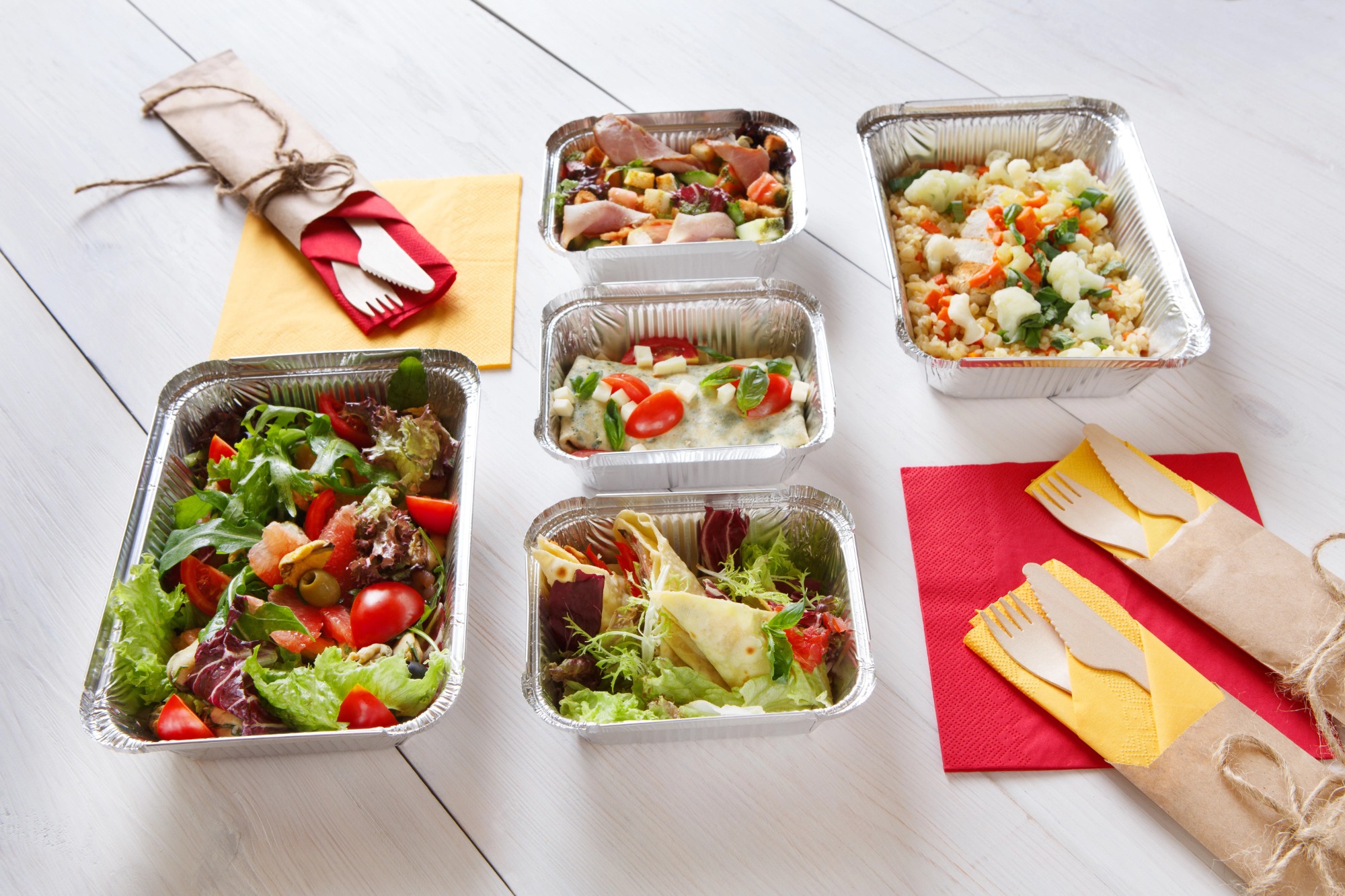
3. Aluminum
Aluminum packaging offers exceptional thermal properties, efficiently retaining heat for long periods. It is highly recyclable, making it one of the attractive options for bulk hot food packaging. The metal composition, however, may not be suitable for acidic foods or microwave reheating.
4. Molded Plant Fiber (Coating-Free Solutions)
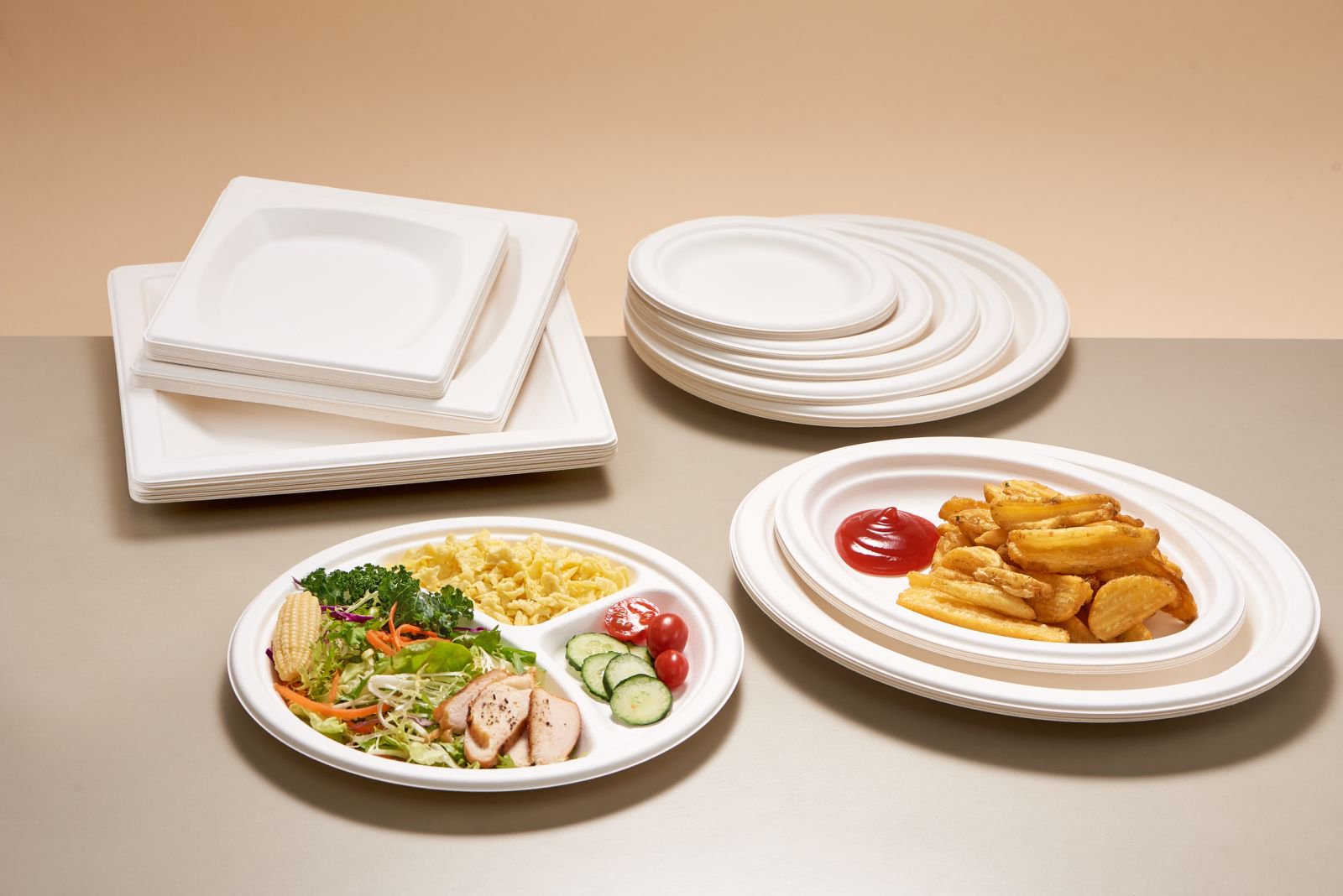
A specialized advancement in sustainable hot food container materials is the use of molded plant fibers (such as sugarcane bagasse) engineered for high performance. Unlike standard paperboard which often requires a PLA or PE coating barrier, these materials are processed to offer inherent water and oil resistance without the need for lamination or barrier layers.
This makes this category a more cost-effective and cleaner solution for composting compared to lined packaging options. This sustainable category is ideal for manufacturers looking to reduce material complexity while providing adequate oil resistance for most applications.
From Materials to Market: Innovative Hot Food Packaging Options and Ideas
Leveraging the specialized materials detailed above, particularly the advancements in bio-based and molded fibers, the most effective hot food packaging ideas now successfully integrate sustainability with high performance. Luzhou Pack offers specialized hot food packaging options that prioritize the environment without compromising functionality, demonstrating how material science translates into superior finished goods.
Biodegradable Sugarcane Bagasse Containers
Our compostable bagasse containers represent a major step forward in eco-friendly hot food packaging. Made from 100% compostable plant resources—these bowls offer a robust, guilt-free dining experience. They are ideal for serving soups, salads, and other delicious dishes, offering robust practicality while upholding a clear commitment to sustainability.
Our dedication to safety and biodegradability is certified by reputable bodies like BPI and TUV, meeting the high standards set by USA and European ASTM6400 & EN13432. These bowls are a superior alternative to plastic packaging for environmentally conscious foodservice operations.
Corn Starch Food Packaging
For full meals that require versatility, corn starch food packaging is a convenient and eco-friendly choice. These containers, made from sustainable corn starch, are 100% non-toxic and virtually eliminate carbon footprint compared to traditional paper or plastic.
They provide the same sturdy function and easy cleanup while offering critical temperature resilience: they are microwavable (up to 120 degrees) and freezable (down to 18 degrees below zero). Whether used for restaurants, food trucks, or to-go orders, these types of hot food packaging ensure you can serve meals with convenience while making an environmentally responsible choice.

Luzhou Pack: Your Trusted Packaging Partner
Your choice of hot food packaging reflects your commitment to quality and sustainability. Our expertise allows us to customize solutions that meet both performance demands and evolving regulatory requirements regarding plastic reduction.
The comprehensive array of hot food packaging options now available means manufacturers can source specific types of hot food packaging tailored to unique culinary applications. By prioritizing sustainable hot food packaging, your business can secure a competitive edge. Choosing the Luzhou Pack is the key to delivering excellence.
Leave a Reply
Please be sure to fill in the field marked *