By Carrie Zhang | 04 June 2026 | 0 Comments
Foam Alternatives for Food Packaging: The Sustainable Shift
For decades, the food packaging industry has been dominated by plastic and Styrofoam containers. Their lightweight structure, excellent insulation qualities and low cost made them the go-to option for every sort of food packaging.
But this convenience comes with a lasting environmental cost. These materials persist in landfills for centuries, fragments into microplastics that contaminate waterways, and are notoriously difficult to recycle.
According to The Pew Charitable Trusts [1], the U.S. could generate 1 billion additional tons of plastic municipal solid waste by 2040. The question is, what can we do to stop turning this into reality? For the food packaging industry, finding foam alternatives is where the answer lies.
The market now offers a range of innovative eco-friendly foam alternatives for food packaging, from fiber-based molded pulps to advanced bio-based foams derived from agricultural residues. This guide explores the most promising sustainable foam alternatives for food containers, examining their benefits, performance characteristics, and how they stack up against conventional polystyrene.
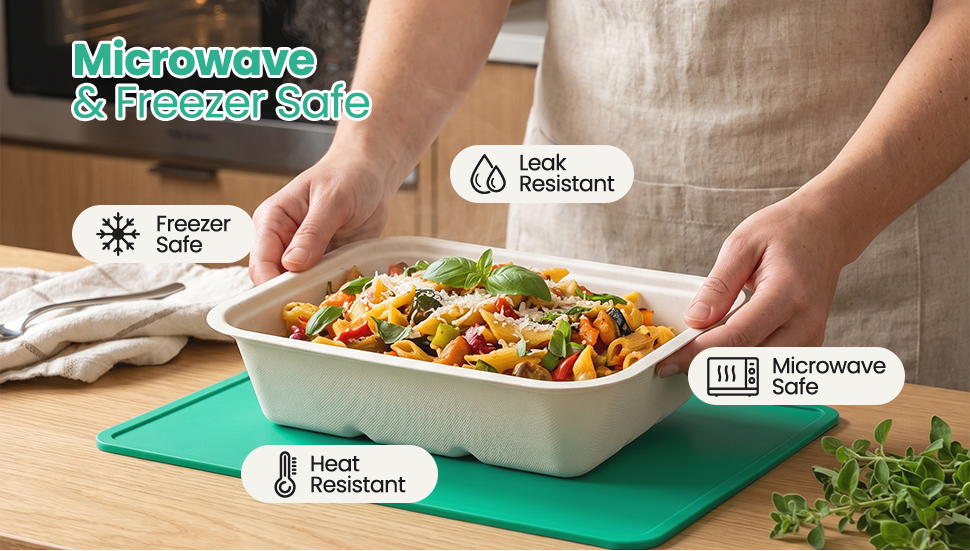
Why Smart Brands Are Ditching Foam Now?
The movement away from polystyrene foam is driven by a combination of regulatory action, corporate sustainability commitments, and shifting consumer preferences. As many states have enacted bans on expanded polystyrene food containers, with more legislation pending nationwide, major retailers are also pushing for change, setting supplier guidelines that phase out difficult-to-recycle materials.
Beyond compliance, there are growing safety reasons to move away from polystyrene foam. Polystyrene foam carries negative consumer perception that brands find increasingly difficult to defend. As the American Academy of Pediatrics advised [2], parents should avoid giving their children plastic products made of polystyrene, which includes plastic foam. To make matters worse, tiny pieces of polystyrene microplastic have been found inside people—in their blood, lungs, kidneys, and even their brains. Since these food containers are in direct contact with the food we consume, customers are growing more cautious about the health risks of using such materials and may think twice before returning to eateries that still rely on them.
However, the real challenge has always been finding eco-friendly foam alternatives that match its performance and needs for food packaging: lightweight enough to keep shipping costs down, insulating enough to keep food at proper temperatures, strong enough to protect contents, and affordable enough for slim profit margins.
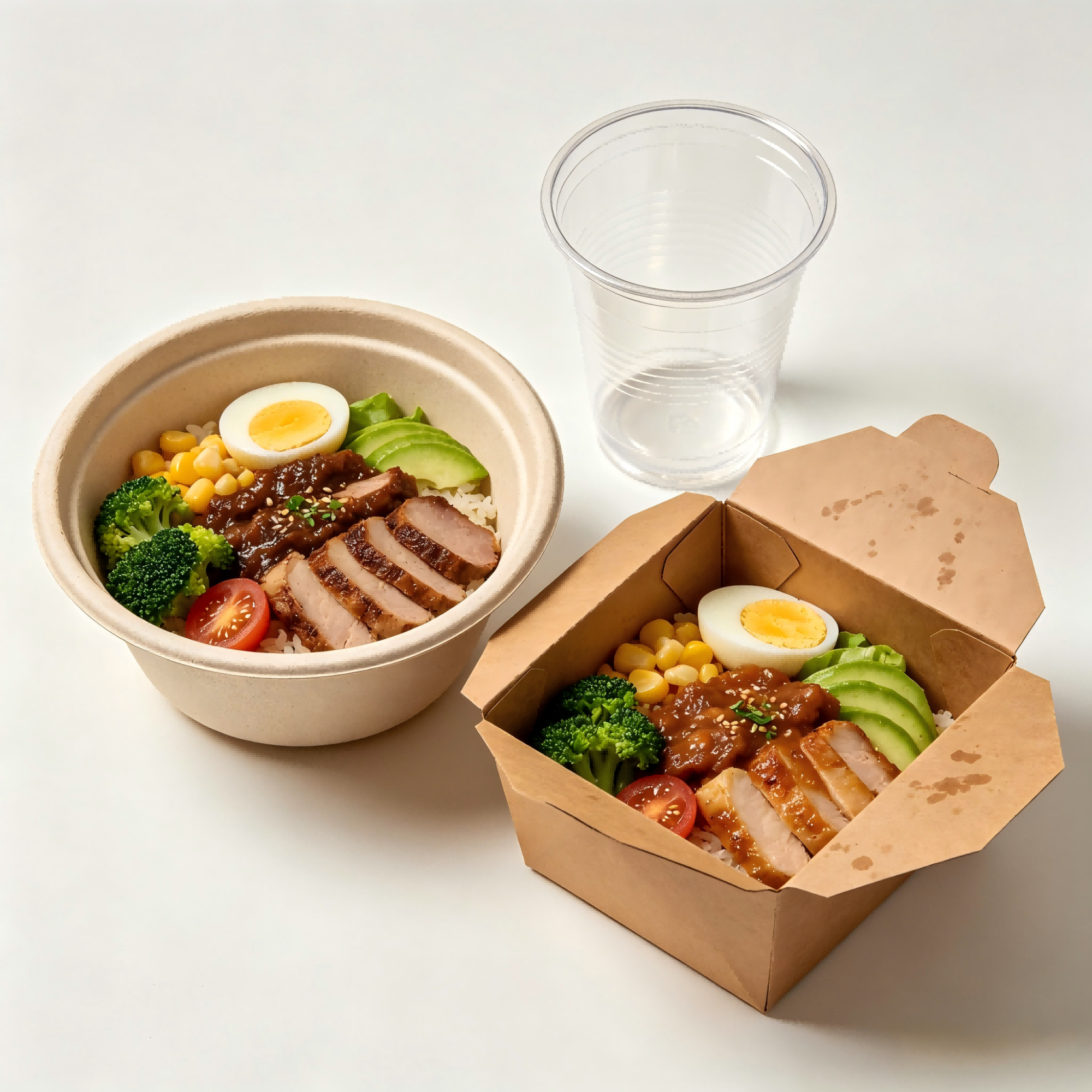
3 Types of Eco-Friendly Foam Alternatives for Food Packaging
A viable alternative has to be able to withstand heat, resist grease and be robust enough to maintain structural integrity during transport. More importantly, it has to be biodegradable with minimal effort. Therefore, sustainable foam alternatives for food containers are designed to be lightweight, convenient, and efficient, just like traditional foam containers, but more sustainable. Examples include:
1. Pulp Moulded Products
Molded fiber, often called molded pulp, stands as the premier alternative to traditional foam packaging by mimicking polystyrene's shape and versatility. This material primarily utilizes sugarcane bagasse, which is the fibrous byproduct of sugar extraction. It undergoes a wet molding technique to create sturdy yet featherweight structures. It typically works best as egg cartons, beverage carriers, protective inserts, cutlery and lightweight dry-food trays.
2. Bioplastics and PLA Containers
Polylactic Acid (PLA), derived from renewable resources like corn starch, serves as a transparent and durable option. It typically works best with cold deli salads, clear cups for iced beverages, cold grab-and-go food containers. While PLA is often used with cold storage, newer formulations of CPLA (Crystallized PLA) are designed for high-heat applications. These eco-friendly foam alternatives for food packaging provide a sleek, modern look that appeals to high-end food service providers.
3. Plant-based Products
Plant-based containers are typically made from post-consumer waste like recycled paper, newsprint, and cardboard. They are among the most versatile foam substitutes available today since they offer good heat resistance, making them suitable for both hot and cold meals. When combined with plant‑derived materials such as cornstarch, they become even more durable and grease‑resistant, therefore they’re most commonly used as burger boxes, heavy entrees and school cafeteria trays.

Evolve with High-Performance Sustainable Packaging
Transitioning to sustainable foodware is no longer just an environmental choice—it’s a business necessity to meet future regulations and consumer demands. Luzhou Pack stands at the forefront of this Green revolution, offering food packaging products customizable by our designers and engineers. We provide a wide range of foam alternatives for food packaging made from eco-friendly materials, including bagasse, cornstarch and molded pulp.
References:
1. The Pew Charitable Trusts - Plastic Pollution Is a Major Problem in the U.S., but Solutions Exist
2. Forbes - Plastic Foam Must Be Phased Out To Protect The Oceans, Study Finds
3. OCEANA - Plastics Foam Needs “To Go”
Leave a Reply
Please be sure to fill in the field marked *