By Carrie Zhang | 17 October 2025 | 2 Comments
What is an Eco Branding Strategy? Actionable Sustainable Branding Ideas
In today's competitive marketplace, consumers judge brands not just on the quality of their products, but on the values they embody.
A powerful eco branding strategy is no longer a "nice-to-have"—it's a critical component of a resilient, modern business. It moves beyond superficial claims by embedding sustainability into the very DNA of your brand identity.
By developing a clear and authentic sustainable branding strategy, businesses can build profound trust, achieve meaningful differentiation, and align with the values of a growing base of socially responsible consumers.
This article will define what an eco branding strategy is, explore its tangible business benefits, and provide actionable sustainable branding ideas to help you embrace sustainability with purpose and impact.

Defining an Eco Branding Strategy: Beyond Green Marketing
As sustainability becomes a key driver in consumer decision-making, businesses are rethinking how they present their values and operations. An eco branding strategy is a comprehensive, long-term plan that deliberately integrates environmental and social responsibility into every aspect of a brand, from its core mission and products to its marketing and corporate culture.
It is fundamentally different from "greenwashing", which involves making misleading or unsubstantiated claims about environmental benefits. A genuine eco branding strategy is built on authenticity, transparency, and measurable action.
It is the structured approach that guides a company’s journey to becoming genuinely sustainable, ensuring that its brand image and operational reality are perfectly aligned. This not only enhances customer loyalty but also builds lasting enterprise value.
This plan typically addresses several key pillars of a business:
Sustainable Products and Lifecycle Management
A core component is the commitment to sustainable product development. This means minimizing environmental impact at every stage of a product's life. It starts with using renewable or recycled materials, such as those found in sustainable food packaging, and extends to designing for waste reduction and ensuring end-of-life recyclability or biodegradability. Ethical sourcing and supply chain transparency are also critical, as they strengthen the brand’s sustainability credentials and build consumer trust.
Carbon-Neutral Production and Transparency
Achieving carbon-neutral production is another key element. This involves a dedicated effort to measure, reduce, and offset the company's carbon footprint. Common tactics include transitioning to renewable energy sources, improving operational energy efficiency, and investing in credible carbon offset projects.
Based on our experience helping numerous clients, we find that transparently reporting on sustainability metrics, such as progress toward emission reduction goals, is crucial for demonstrating genuine environmental commitment and building trust.
Authentic Sustainability Marketing
Effective eco branding communicates the brand’s sustainability story through authentic, value-driven campaigns. Rather than simply stating "we are green”, this strategy focuses on storytelling—sharing the journey, the challenges, and the impact of the company's efforts.
It also involves engaging consumers in sustainable behaviors, such as participating in recycling programs or making more conscious purchasing decisions, thereby creating a community around shared values.
Competitive Advantage
A solid eco branding strategy creates a competitive edge by aligning the brand with eco-conscious values, appealing to consumers who prioritize sustainability, and differentiating the brand in a crowded market.

The Benefits of Sustainable Branding and Actionable Sustainable Branding Ideas
Adopting a robust sustainable branding strategy offers more than just environmental goodwill. It delivers tangible business value and is one of the most effective ways to implement sustainability in branding for long-term growth. Here are the core benefits of sustainable branding:
- Enhanced Brand Reputation and Trust: In an era of heightened consumer skepticism, demonstrating a genuine commitment to sustainability builds powerful brand equity. According to recent market studies, a majority of consumers state they are more likely to trust and be loyal to brands that operate with transparency and environmental responsibility.[1]
- Improved Customer Loyalty: Today’s consumers, especially Millennials and Gen Z, actively seek brands that align with their personal values. An authentic eco branding strategy forges a deeper, more emotional connection with this demographic, leading to higher retention rates and greater lifetime value.
- Significant Competitive Differentiation: In a crowded marketplace, a genuine commitment to sustainability can be your most powerful differentiator. It tells a compelling story that resonates deeper than price or features alone.
- Attraction of Talent and Investment: Top talent and sustainability-focused investors are increasingly drawn to companies with strong environmental, social, and governance (ESG) performance. A clear eco branding strategy signals that your business is forward-thinking and resilient.
- Improved Innovation and Efficiency: The process of implementing a sustainable branding strategy often forces a company to rethink its processes, leading to greater innovation in product design, more efficient supply chains, and reduced operational costs through waste and energy reduction.
Implementing authentic, forward-thinking sustainable branding ideas, such as using certified compostable food packaging, partnering with ethical suppliers, or launching take-back recycling programs, can significantly boost your brand equity and deliver these benefits.
A Real-World Example of Eco Branding Strategies in Action
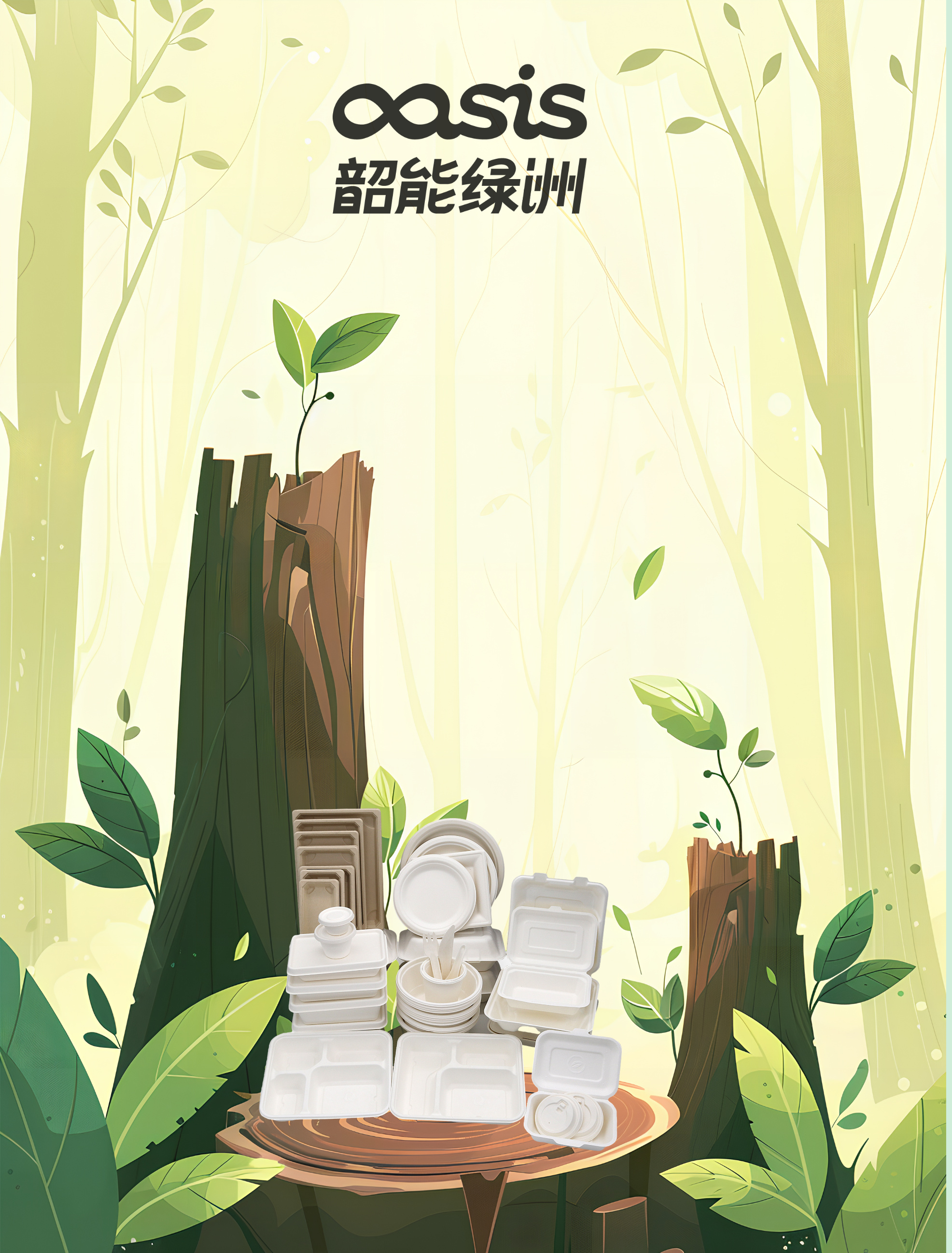
When it comes to putting sustainable values into practice, Luzhou Pack stands out as a leading example. The company's approach shows how an eco branding strategy can be seamlessly integrated across products, operations, and customer engagement. Here are some key examples of eco branding strategies demonstrated by their model.
Product Materials Rooted in Sustainability
Luzhou Pack offers a compelling example of how sustainable branding strategies can be embedded into a business. Specializing in food packaging made from renewable plant fibers like bagasse (sugarcane pulp) and bamboo, Luzhou Pack has helped enormous companies to achieve environmental responsibility through certified compostability.
Commitment to Biodegradable and Compostable Standards
One key strategy is the adherence to rigorous, internationally recognized standards. Luzhou Pack's food containers, plates, and cutlery meet certifications such as OK COMPOST and BPI ASTM D6400 and/or D6868, ensuring that products break down naturally within 90 to 180 days under industrial or home composting conditions without leaving behind toxic residue. This commitment to compostability certifications provides verifiable proof of their environmental claims.
Functional Design Meets Practical Use
Beyond materials, Luzhou Pack focuses on functional design for real-world use. Their packaging is microwave-safe, oil- and water-resistant, and suitable for both hot and cold foods, making it a practical, eco-friendly solution for food service businesses. They also offer custom branding options, allowing clients to print their logos or choose custom molds, which strengthens brand recognition while promoting sustainability.
Transparency, Scalability and Supply Confidence
Transparency and scalability are also central to Luzhou Pack’s sustainable branding strategies. With FSCI-certified facilities and an annual production capacity of 120,000 tons, we assure partners of both environmental commitment and supply reliability. Clear product labeling and communication reinforce trust and demonstrate accountability in their sustainability claims.

How to Implement Sustainability in Branding: A 4-Step Approach
Bringing sustainability into your brand is a strategic imperative. To be effective, it requires a structured approach. Here’s a guide on how to implement sustainability in branding authentically and successfully.
Step 1: Conduct a Sustainability Audit and Set Clear Goals
Before you build, you must understand your baseline. Evaluate your entire value chain—from raw material sourcing and production processes to packaging and end-of-life disposal. Identify your current environmental footprint and areas for improvement.
Based on this audit, set specific, measurable, achievable, relevant, and time-bound (SMART) goals. For example, "Reduce packaging waste by 30% by 2028" or "Source 80% of materials from certified sustainable suppliers by 2027".
Step 2: Build the Foundation with Sustainable Branding Strategies
Implementing sustainability in branding requires more than just adopting eco-friendly products, it involves building a brand narrative that reflects genuine environmental and social responsibility.
To get started, companies should develop sustainable branding strategies that align with their core mission, target audience, and operational capabilities. These strategies often include evaluating the full product lifecycle, minimizing waste, choosing ethical suppliers, and investing in sustainable innovation.
Step 3: Bring Sustainability to Life with Practical Ideas
One of the most effective ways to bring sustainability into your brand is through sustainable branding ideas that are both practical and engaging. This can involve using recyclable or biodegradable packaging, offering incentives for product reuse or recycling, or launching educational campaigns that raise environmental awareness among customers.
Internally, brands can also demonstrate commitment by adopting green policies, such as reducing carbon emissions or implementing zero-waste goals across departments.
Step 4: Ensure Consistency Across Brand Touchpoints
Ultimately, the key to success lies in authenticity and consistency. A brand that embraces sustainability must reflect it in every touchpoint, from visual identity and messaging to sourcing, logistics, and post-sale support.
By combining clear sustainable branding strategies with actionable, creative sustainable branding ideas, businesses can build trust, increase customer loyalty, and position themselves as forward-thinking leaders in a value-driven market.
How Luzhou Pack Can Support Your Eco Branding Strategy
If you're looking to turn sustainability into a competitive advantage, Luzhou Pack is the partner to help you lead with purpose. With a full range of certified compostable food packaging made from renewable plant fibers, Luzhou Pack empowers brands to implement real-world sustainable branding ideas and strategy, from sourcing and design to scalability and supply chain transparency.
Whether you're launching a new product line or seeking to reinforce your existing eco-branding strategy, Luzhou Pack delivers both the materials and expertise to align your brand with the values that today’s conscious consumers expect.
Explore Luzhou Pack’s Eco-Friendly Packaging Solutions and discover how sustainability can elevate your brand story.
Reference:
1. Nielsen. (2023). Sustainability & Consumer Choice Report. NielsenIQ.
Recently Reviews
Read MoreLeave a Reply
Please be sure to fill in the field marked *